



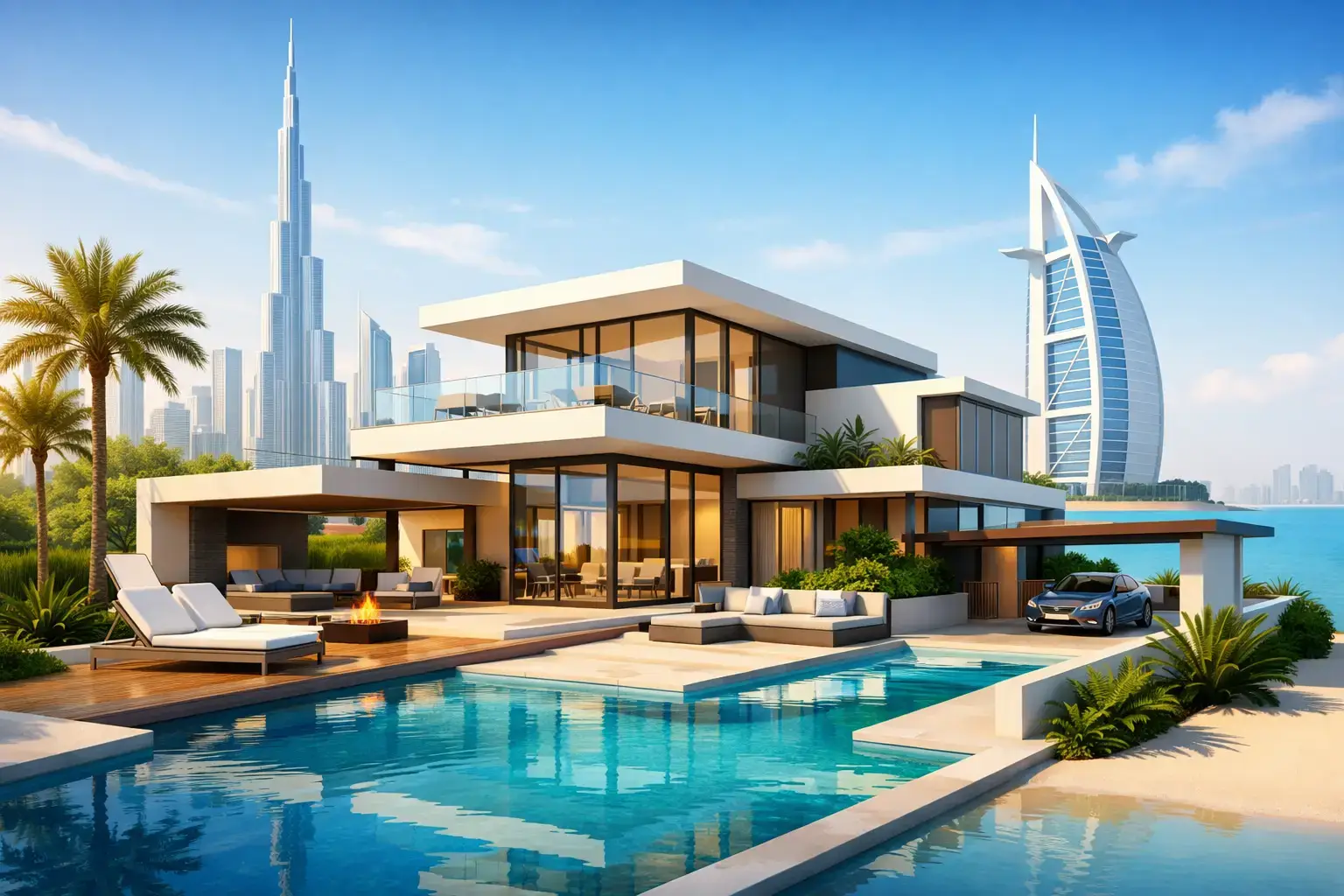
A grand entrance still matters, but in Dubai’s top residential communities, real luxury begins long before the front door. It starts in proportion, light, materiality, and the quiet confidence of a home that feels current today and relevant years from now. That is why modern architecture has become such a defining language for premium living here.
For discerning buyers, architecture is not a decorative afterthought. It shapes how a property performs, how it is experienced, and how it is remembered. In a market built on ambition and global attention, homes that pair aesthetic discipline with livability tend to stand apart. They do not simply look impressive in a brochure. They create a stronger daily experience and, often, a more compelling long-term asset.
What defines Dubai homes with modern architecture
When people talk about Dubai homes with modern architecture, they are rarely referring to one fixed style. The category is broader and more refined than that. It can include crisp geometric villas, minimalist townhomes, and contemporary residences that use glass, stone, metal, and wood in a highly controlled way.
What connects them is clarity. Modern homes favor clean lines, open planning, strong indoor-outdoor relationships, and a visual restraint that allows quality to speak for itself. Instead of relying on excess ornament, they create impact through volume, natural light, carefully framed views, and material contrast.
In Dubai, that language has evolved with local expectations. The most successful modern homes are not abstract design exercises. They are adapted to climate, privacy, family life, and the standards of buyers who want elegance without compromise. A beautiful facade may capture attention, but what sustains value is a layout that works, a sense of calm, and craftsmanship that can be felt in every room.
Why modern design resonates so strongly in Dubai
Dubai is a city that rewards vision. It attracts buyers who think internationally, compare assets across markets, and expect more from real estate than square footage alone. Modern architecture fits that mindset because it communicates ambition, relevance, and design literacy.
There is also a practical reason for its rise. Contemporary planning is often better suited to current lifestyles than more formal, segmented layouts. Families want social spaces that feel open yet refined. Professionals want homes that support entertaining, privacy, and hybrid work. Investors want properties that photograph well, market well, and remain desirable as buyer tastes continue to sharpen.
Modern architecture also aligns with the way prestige is now expressed. In the premium segment, status is less about visual noise and more about precision. The confidence of a well-composed home, one with balanced proportions and a thoughtful material palette, often carries more weight than obvious extravagance.
The features buyers notice first and remember longest
The first impression usually begins with scale and silhouette. A modern home tends to feel composed from the outside, with a facade that is structured rather than overstated. Strong horizontal and vertical lines create order. Window placement feels deliberate. Landscaping is used to soften and frame, not distract.
Inside, the emotional effect often comes from light. Double-height spaces, large glazed openings, and carefully placed courtyards or terraces can transform the atmosphere of a home. Rooms feel expansive without becoming cold. Movement feels intuitive. Even before furnishings are added, the architecture establishes a sense of ease.
Material selection carries equal importance. In truly premium homes, surfaces are not chosen just for trend value. Stone, wood textures, brushed metals, and refined finishes create depth and permanence. This is where the difference between ordinary new-build stock and a design-led residence becomes clear. Buyers may not always name every detail, but they recognize when a home feels resolved.
That said, modern design is not one-size-fits-all. Some buyers prefer a softer contemporary expression with warmer tones and more layered interiors. Others want sharper minimalism. The strongest developments understand this balance and create architecture that feels distinctive without becoming so rigid that it limits livability.
Dubai homes with modern architecture as lifestyle assets
For affluent buyers, a home in Dubai is often both a residence and a statement of intent. It is where family life unfolds, where guests are welcomed, and where personal standards become visible. Architecture matters because it shapes all of those moments.
A well-designed modern home supports lifestyle in practical ways. Open kitchens connect better with entertaining. Integrated storage keeps spaces visually calm. Large windows increase daylight while connecting interior rooms to gardens, pools, and terraces. Thoughtful bedroom placement can improve privacy within the home, especially for multigenerational households or families with live-in staff.
There is also the less visible side of comfort. Ceiling heights, circulation, acoustic control, and the relationship between public and private spaces all influence how a home feels over time. Two properties may share a similar price point and a comparable number of bedrooms, yet live very differently. This is where architecture becomes more than branding. It becomes daily quality.
For investors, the same principles matter. Homes that present a strong design identity often achieve better resonance with sophisticated buyers and tenants. They stand out more clearly in a competitive market and may hold appeal longer than homes built around short-term visual trends. That does not guarantee performance in every cycle, but it can strengthen resilience.
What separates timeless modern homes from trend-driven ones
Not every contemporary property ages well. Some rely too heavily on fashionable finishes, dramatic gestures, or ultra-minimal planning that looks striking but feels inconvenient in practice. In luxury real estate, long-term value usually comes from restraint, proportion, and execution.
A timeless modern home typically avoids design decisions that are too loud or too specific to a passing moment. It gives equal attention to exterior architecture and interior function. It uses premium materials in a disciplined way, rather than layering finishes for effect. Most importantly, it respects how people actually live.
This is especially relevant in Dubai, where the market includes both end users and investors from varied cultural backgrounds. A home must be aspirational, but it should also be intuitive. Expansive living areas are attractive, yet privacy still matters. Dramatic glazing can be beautiful, yet orientation and heat management matter too. The best homes resolve these tensions elegantly.
That is why developer credibility remains central. A polished rendering can promise modernity. Delivering a home with real architectural integrity requires deeper expertise across planning, engineering, materials, and construction. Design-led developers with strong real estate and construction roots tend to understand that distinction. Their work reflects discipline, not just style.
Why location and architecture must work together
Architecture alone does not create value. It must be paired with the right setting. In Dubai, where micro-locations can differ significantly in access, community character, and future upside, the relationship between design and place is critical.
A modern home in a strategic location does more than look impressive. It becomes part of a wider lifestyle proposition – proximity, connectivity, privacy, and neighborhood quality all reinforce the residential experience. This is one reason flagship launches in emerging and well-positioned districts attract attention from both end users and investors. Buyers are evaluating not just the home itself, but the trajectory of the area around it.
For a premium developer, this means architecture should never feel generic or transferable. It should respond to the location, the target resident, and the level of ambition behind the project. When those elements align, a property has a stronger chance of becoming a legacy asset rather than a short-lived market entry.
Esnaad Real Estate’s design-led approach reflects that philosophy, with homes conceived as elevated living environments shaped by craftsmanship, innovation, and long-term value.
What sophisticated buyers should look for
For buyers considering Dubai homes with modern architecture, the smartest question is not whether a property looks contemporary. It is whether the design has substance behind it. That means studying layout efficiency, finish quality, natural light, privacy, storage, and the consistency of the overall concept.
It also means asking how the home will feel five or ten years from now. Will the architecture still appear refined when trends shift? Will the materials mature well? Does the development have enough identity to remain distinctive without becoming dated? Premium real estate should answer yes to those questions.
There is no single formula for the ideal modern home. A family buyer may prioritize warmth, outdoor space, and flexibility. An investor may care more about marketability, scarcity, and location upside. A global purchaser may want a residence that expresses design confidence while remaining easy to maintain. The right choice depends on intent.
The strongest properties meet those different ambitions without sacrificing architectural coherence. They balance beauty with function, prestige with comfort, and immediate appeal with staying power.
In a city that continues to set new standards for residential living, the most memorable homes are rarely the loudest. They are the ones built with conviction – homes where modern architecture is not just a look, but a lasting expression of quality, vision, and how a well-lived future should feel.