



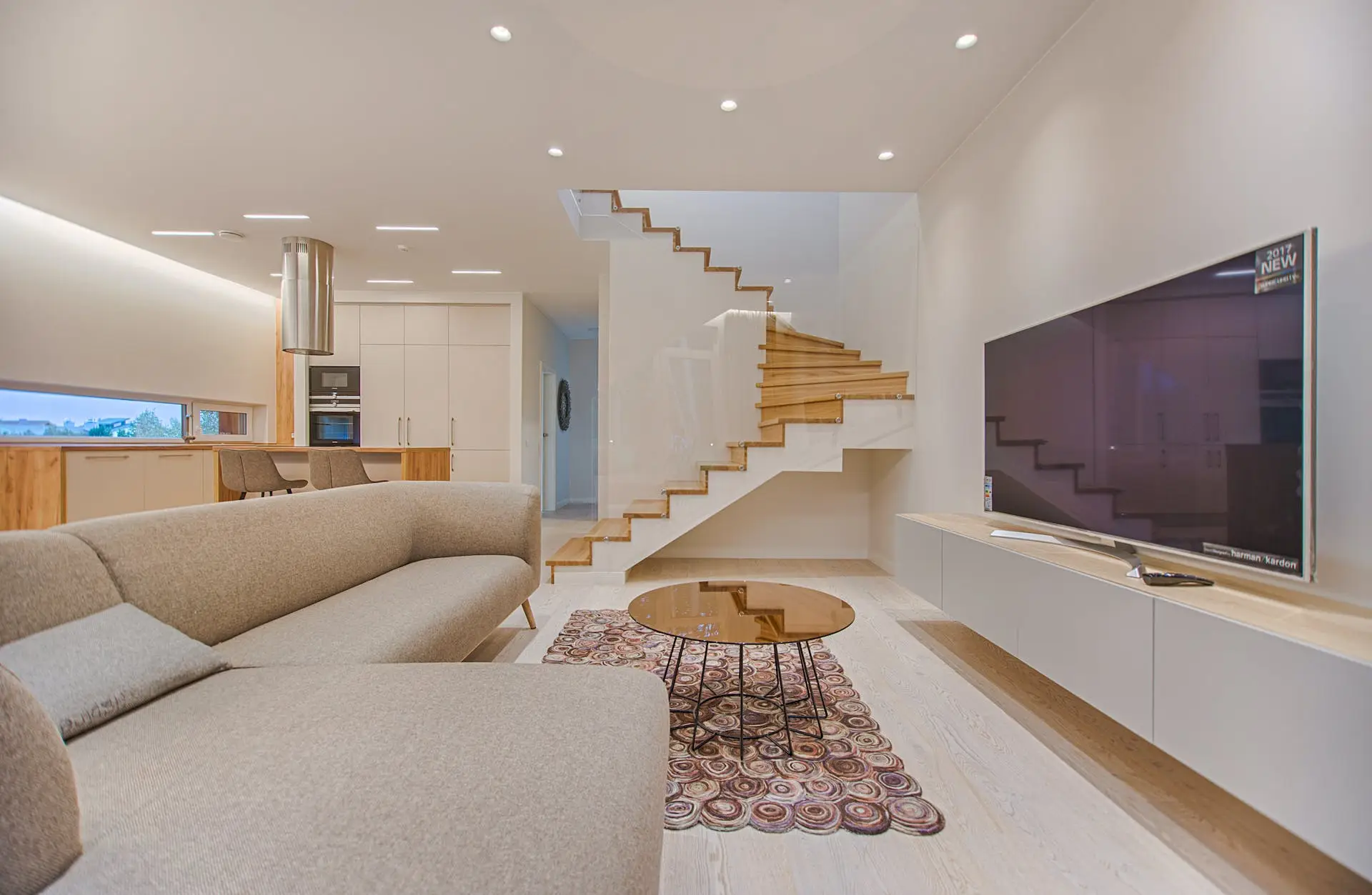
A private arrival lounge, a skyline-facing terrace, stone surfaces cut with precision, and a floor plan that feels composed rather than crowded – this is where the conversation around luxury apartments in Dubai begins.
True luxury is not a collection of expensive finishes. It is the result of intelligent location choices, disciplined design, elevated service, and a standard of execution that holds its value long after first impressions fade.
Dubai has matured into one of the world’s most compelling markets for premium residential real estate because it offers more than spectacle. It offers ambition with infrastructure, lifestyle with security, and prestige with global relevance.
For buyers who expect more from a home, and for investors who think beyond a short-term transaction, the city’s top-tier apartment market presents a rare combination of desirability and resilience.
Why luxury apartments in Dubai command global attention
The appeal is partly visual, but the deeper value is strategic. Dubai continues to attract entrepreneurs, executives, family offices, and internationally mobile buyers who want a residence that reflects status while serving as a sound asset.
That demand has shaped a market where premium apartments are no longer judged by square footage alone. They are judged by how well they translate modern expectations into everyday living.
A luxury address in Dubai often means immediate access to business districts, leisure destinations, retail, and major road networks. Yet location alone is not enough. The best residences pair convenience with a sense of privacy and distinction.
Buyers at this level are not simply purchasing a unit in a tower. They are selecting a setting, a pace of life, and a long-term position within the city’s growth story.
This is one reason the category remains so competitive. Not every high-priced apartment qualifies as luxury. Some offer strong branding but fall short on materials, layouts, or long-term livability.
Others may look impressive at launch but reveal compromises in design logic or construction quality over time. In the premium segment, discernment matters.
What actually makes an apartment luxurious
Luxury begins with proportion. A well-conceived residence feels balanced from the moment you enter.
Circulation is intuitive, natural light is considered, ceiling heights create calm rather than compression, and the transition between social and private spaces feels deliberate. These qualities are harder to market than a rooftop pool, but they are what owners live with every day.
Materiality is another defining factor. In a true luxury apartment, finishes are selected for permanence and refinement, not just visual effect. Stone, wood, metal detailing, and custom cabinetry should work together with discipline.
When every surface competes for attention, the result feels temporary. When the palette is confident and restrained, the home acquires a more lasting elegance.
Then there is service. Premium residential living increasingly depends on the quality of the experience beyond the front door. Security, concierge support, valet, wellness amenities, residents’ lounges, and managed communal areas all contribute to the value of the property. If these elements are poorly executed, the building loses stature quickly.
If they are handled with consistency and discretion, they reinforce the sense of exclusivity buyers expect.
The role of location in luxury apartments in Dubai
In this market, one of the sharpest dividing lines between premium and merely expensive real estate is location strategy. A luxury apartment should not just sit in a fashionable area. It should benefit from a setting with lasting relevance, access, and upside.
Established districts continue to hold obvious appeal because they carry recognition and convenience. At the same time, strategically chosen emerging locations can offer a more compelling balance of lifestyle and future appreciation.
That is often where experienced developers distinguish themselves. They understand that luxury is not only about where the city is today, but where sophisticated demand is moving next.
For buyers, this creates an important trade-off. A highly established address may carry immediate prestige and stable demand, but it can come at a significant premium.
An emerging prime location may offer stronger medium-term upside and a fresher residential proposition, though it requires confidence in the developer’s vision and execution. Neither path is automatically better. The right choice depends on whether the priority is personal use, capital growth, rental performance, or legacy ownership.
Design has become the real marker of distinction
As the market evolves, design is becoming the clearest signal of authenticity in the luxury segment. Buyers are more informed, more traveled, and less impressed by superficial statements. They can recognize when architecture has integrity and when it has simply been packaged well.
Design-led development tends to create stronger outcomes because it treats the home as a complete environment. Exterior identity, lobby experience, apartment layout, amenity planning, and material selection are conceived as one story.
That coherence matters. It shapes how a resident feels entering the building, hosting guests, working from home, or spending a quiet evening in their own space.
This is also where developer credibility becomes essential. Luxury cannot be improvised at the marketing stage. It must be embedded from planning through construction.
Developers with deep roots in both real estate and construction generally have a stronger command of detail, quality control, and delivery standards. That translates into confidence for both end users and investors.
What buyers should assess before making a decision
The most successful purchases in this segment come from looking beyond the brochure. A beautiful render can suggest prestige, but buyers should examine how the project will perform as a real place to live and as a long-term asset.
Start with the developer’s philosophy. Does the project feel like a one-off sales exercise, or does it reflect a clear point of view about modern living? The strongest luxury residences are shaped by developers who think in terms of legacy, not just launch momentum.
Next, evaluate the floor plans with honesty. Does the apartment create openness without wasting space? Are kitchens, wardrobes, bathrooms, and balconies integrated in a way that supports daily life? In premium real estate, convenience should feel elegant, not utilitarian.
Amenity strategy deserves equal attention. More is not always better. A curated set of facilities executed to a high standard is often more valuable than an oversized amenity package that is difficult to maintain. Residents remember quality, privacy, and atmosphere far longer than they remember the length of a feature list.
For investors, the decision also depends on exit logic. Will the development appeal to future buyers with similar standards? Does the location support sustained demand from professionals, families, or global residents?
Is the product distinctive enough to avoid blending into a crowded field? These questions matter because true luxury tends to preserve its position through scarcity, design strength, and execution.
Lifestyle value and investment value are now intertwined
There was a time when buyers could separate emotional appeal from financial rationale. In the current premium market, those two ideas are increasingly connected. The residences that perform best over time are often those that offer the strongest everyday experience.
That makes sense. A home with better design, stronger community planning, and superior finish quality tends to attract more serious buyers and tenants. It photographs better, lives better, and ages better. In other words, lifestyle value often becomes market value.
This is especially relevant in Dubai, where the luxury buyer profile is broad. Some purchasers are looking for a primary residence. Others want a city base, a wealth-preservation asset, or a high-quality addition to an international portfolio.
A development that can serve several of these buyer types often has a stronger long-term position.
Projects shaped around elevated living rather than short-term hype are better placed to meet that demand. That is the philosophy behind design-conscious developers such as Esnaad Real Estate, where the emphasis is on creating refined homes with enduring appeal rather than simply bringing inventory to market.
The future of luxury apartments in Dubai
The next chapter of the market will likely be defined by substance. Buyers still appreciate impressive views and statement amenities, but the category is becoming more exacting. Privacy, design intelligence, wellness, craftsmanship, and location relevance are moving to the center of the conversation.
This shift is healthy. It rewards developers with discipline and vision, and it gives buyers a better framework for making confident decisions. It also raises the standard of what luxury should mean. Not louder. More considered.
For anyone entering this market, the best approach is to look for residences that feel complete in every sense – architecturally, experientially, and strategically.
When a home achieves that balance, it becomes more than an address. It becomes a statement of taste, a platform for modern living, and an asset with the potential to endure.