



Real Estate Investment in Dubai
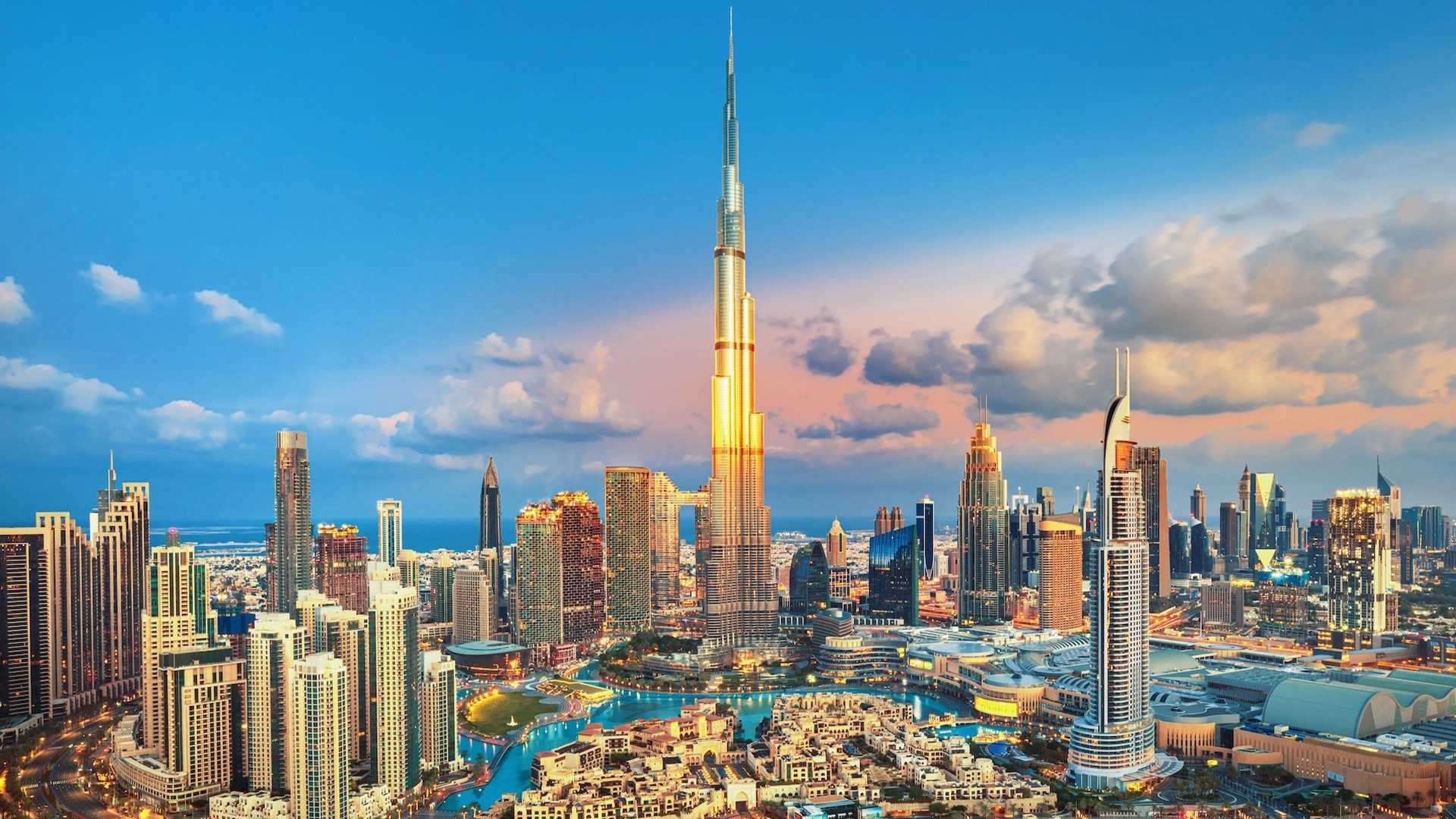
Dubai, known for its stunning skyline and luxury lifestyle, has long been a hotspot for real estate investment. Fueled by a thriving economy, a prime global location, and a booming tourism industry, the emirate unlocks a world of opportunity, inviting both local and international investors to be part of its extraordinary growth story.
However, timing is crucial when entering the Dubai real estate market. Understanding the best times to invest can significantly influence the return on investment.
Market Trends and Seasonal Fluctuations
The Dubai real estate market is characterized by seasonal trends that can affect property prices and investment opportunities. Typically, the market experiences a slowdown during the summer months due to extreme heat, which can deter potential buyers and investors.
The period from October to April represents the peak season for Dubai real estate, driven by favorable weather and a surge in international tourism.
During these months, a high concentration of global exhibitions and festivals increases market liquidity and heightens demand for both luxury rentals and property investments.
This dynamic season offers the most strategic window for investors to capitalize on maximum market visibility and the city’s robust real estate growth trends.
Investors should also consider the quarterly performance reports published by real estate agencies. These reports provide insights into price trends, demand and supply dynamics, and emerging neighborhoods. Staying updated on these trends can help investors identify the right time to enter the market.
Impact of Economic Factors
Economic indicators are fundamental drivers of the Dubai property market cycles. During periods of robust GDP growth and rising employment, demand for residential and commercial assets typically escalates, leading to capital appreciation.
Conversely, market corrections can provide undervalued investment opportunities for strategic buyers. Furthermore, government initiatives, such as the UAE Golden Visa program and 100% foreign ownership laws, have significantly enhanced foreign direct investment (FDI).
By monitoring these regulatory shifts and macroeconomic trends, investors can accurately identify the best times for real estate investment in Dubai to ensure long-term portfolio growth.
Understanding Buyer Preferences
Buyer preferences in Dubai’s real estate market can shift based on various factors, including demographic trends, lifestyle changes, and global economic conditions. For instance, the COVID-19 pandemic has led to a rise in demand for larger living spaces and properties with outdoor areas as more people work from home.
Analyzing shifting buyer preferences is essential for identifying assets with high potential for capital appreciation.
The rapid adoption of sustainable real estate and smart home technologies has fundamentally altered investor demand, with eco-friendly developments and energy-efficient properties now commanding significant market premiums.
By prioritizing green building certifications and technologically integrated living solutions, investors can align their portfolios with modern consumer behavior trends and secure higher long-term yields in an increasingly ESG-conscious property market.
Monitoring Property Prices and Investment Returns
Investors should consistently monitor property prices and rental yields to gauge the market’s performance. In Dubai, rental yields can vary significantly by location, property type, and market conditions.
Areas such as Dubai Marina and Downtown Dubai have historically offered higher rental yields, while emerging neighborhoods like Dubai South and Jumeirah Village Circle are gaining traction due to more affordable pricing.
Tools such as online property portals and real estate analytics platforms can provide valuable insights into market trends and investment returns. By analyzing price movements and rental yields, investors can make well-informed decisions about when to buy or sell.
The Role of Financing and Market Sentiment
Access to financing can also impact the timing of real estate investments. Interest rates, loan availability, and financing options play a significant role in an investor’s ability to enter the market.
Lower interest rates can make borrowing more affordable, encouraging more individuals to invest in real estate. Global events and economic data can all have an impact on market sentiment, which can influence investing decisions.
Positive economic, tourism, and infrastructure news can build confidence in the real estate market, resulting in greater demand. Investors should stay attuned to market sentiment and consider it as part of their investment strategy.
Timing Your Investment in Dubai’s Real Estate Market
Analyzing the best times for real estate investment in Dubai requires a comprehensive understanding of market trends, economic factors, buyer preferences, and financing options.
Strategic market entry is the cornerstone of maximizing ROI in Dubai’s property sector. By maintaining a data-driven approach to seasonal market cycles and macroeconomic indicators, investors can identify the most profitable windows for capital deployment.
Ultimately, mastering market timing and staying aligned with the latest real estate regulatory updates are essential for achieving long-term success and portfolio scalability within this dynamic emirate.
Achieving the best times for real estate investment in Dubai requires a blend of vigilance and professional market analysis.